What Is ERP Software? A Practical Guide for Growing Businesses
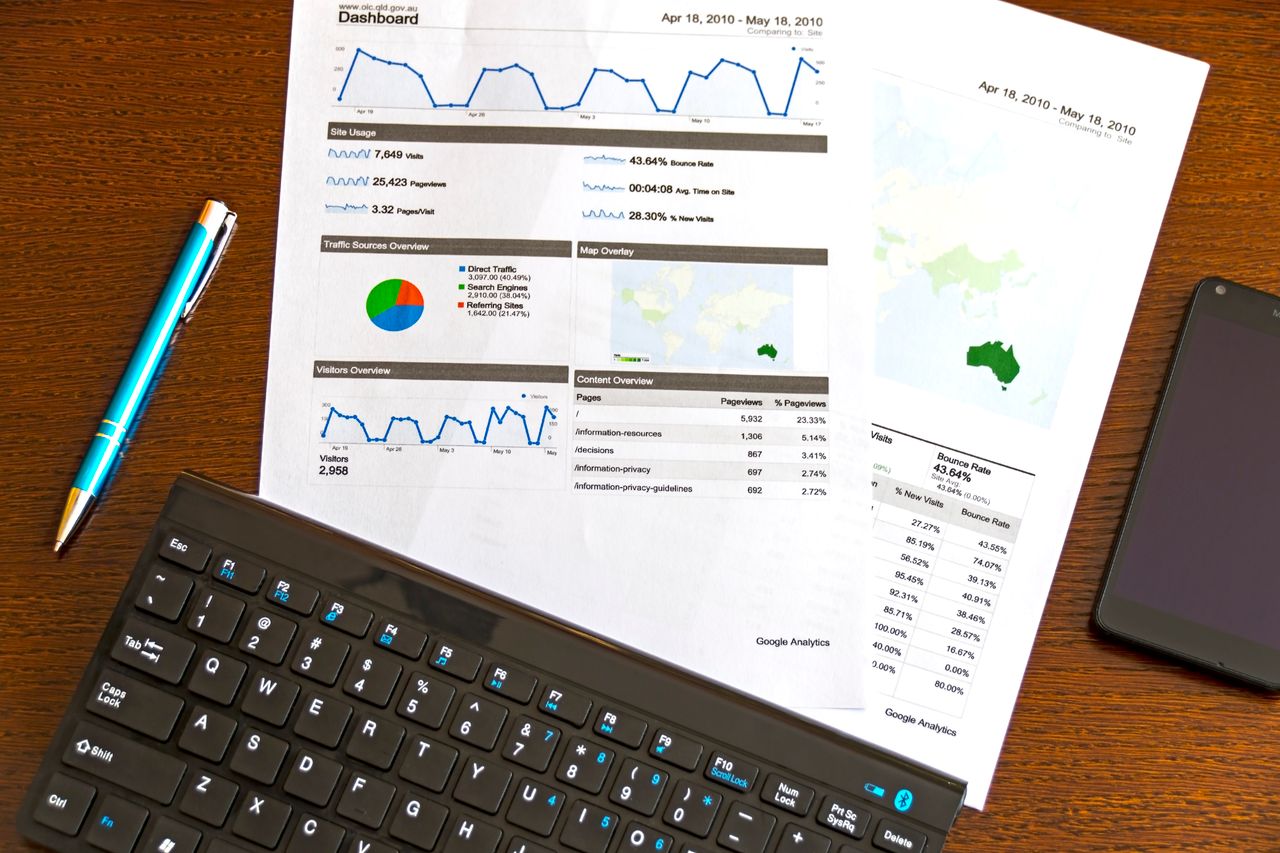
Enterprise Resource Planning (ERP) is a software platform that organizations use to integrate multiple business-critical processes into a single system. An ERP system enhances company growth by managing day-to-day business activities such as:
- customer relationship management,
- accounting,
- core HR,
- procurement,
- project management,
- risk management and compliance, and
- supply chain operations.
A well-chosen blend of the capabilities that suit a company makes for its ideal ERP system.
Key Benefits of ERP
Enterprise resource planning software owes its power to the centralization of critical data in a cloud database that every department can use to improve how it works. Major benefits of ERP include:
- Integration of the company: With a uniform platform, ERP helps teams align around shared goals and share their plans with one another. Independent teams working from the same data can compare notes across functions, helping the business move forward together.
- Error reduction: Maintaining multiple documents and spreadsheets gives rise to errors that are hard to resolve without manual effort. This is largely avoidable when every department works from the same software and the same database.
- Reduced software subscriptions: Every business process needs its own tools. Instead of paying for separate subscriptions for supply chain management, core HR, procurement, project management, and inventory software, teams pay for a single platform that handles each of these tasks in one modern system.
- Effective communication: ERP software helps eliminate communication barriers between customers and employees, as well as across the hierarchy inside the company. The ERP system acts as a single source of truth, giving stakeholders and employees confidence in the numbers.
Effect on Inventory

Companies must anticipate demand. Whether they sell goods or services, they need to keep resources on hand for future needs. At scale, this calls for inventory tracking and analysis. Barcodes have increasingly been complemented by technologies like RFID tags, geofencing, and biometric analysis. ERP systems can track products and human resources from entry to exit. Artificial intelligence can help make suggestions to reduce inventory, repurpose finances, and reorganize storage.
Enter the Cloud
Businesses have always had to balance traditional ERP's high cost and complexity against the need for customized features and flexibility, all while racing to meet company goals. Cloud services, specifically the Software-as-a-Service (SaaS) delivery model for ERP, run on a network of remote servers instead of inside an organization's own server room. The cloud provider maintains, manages, and updates the software several times a year, rather than forcing an expensive upgrade every 5 to 10 years as with an on-premises system.
ERP software is highly advantageous and efficient at what it does. To maximize the gains, however, an organization should make sure the system delivers what it needs before migrating its data. These systems are a significant investment and will often manage a major share of your data. Data security is more important than ever, so make sure your provider has a strong security plan. Enterprise resource planning software is designed to ensure that the information used across the organization is normalized and based on common definitions and a shared user experience. Put simply, ERP is the vehicle for combining people, processes, and technology across a modern enterprise.
Summary
An ERP system is an all-in-one business management platform. Integrating the organization becomes possible when every function works from one centralized system. As more small and medium-sized businesses (SMBs) adopt ERP, they gain benefits like data security, cloud database access, and full transparency across departments. You can build, customize, and update the system to suit your requirements, without the hassle of jumping to new versions for better performance or juggling multiple software subscriptions.
Written by the Indivar team
Consultants and engineers delivering business process, security and infrastructure work since 2009: 30+ years of senior architecture experience, SAP Partner since 2015.